Quick Summary
- Cellon clinic offers three stem cell programs: blood-derived stem cells (MetaCell), fat-derived SVF, and cultured fat-derived stem cells (100 million cells).
- Blood-derived stem cells can be completed in a single visit with just a blood draw: 1,500,000 KRW for 30cc, 3,000,000 KRW for 120cc.
- SVF involves fat extraction, IV administration, and hyperbaric oxygen therapy, taking 3–4 hours total, priced at 8,000,000 KRW.
- Cultured fat-derived stem cells (100 million cells) require one week of lab culturing, priced at 20,000,000 KRW.
- Recommended for those with skin aging, reduced elasticity, chronic fatigue, or those seeking a more fundamental regenerative treatment
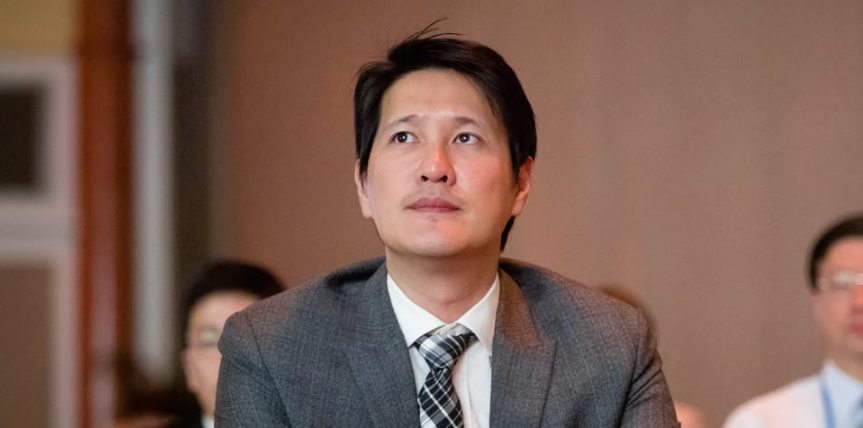
Hello, I am Dr. Seung Hoon Kang, Director of Cheongdam Cellon Dermatology Clinic.
Lately I’ve been getting a lot of the same questions: “What exactly is a stem cell procedure?” “What’s the difference between the blood-derived version and the fat-derived version?” “Why is there such a big price gap between them?” Since I’ve been explaining this to patients one by one in the clinic, I thought it would help to put together a single, clear overview of everything we offer.
Who This Is a Good Fit For
Stem cell treatment isn’t something we recommend to just anyone. Based on what I see in consultations, it tends to suit the following people especially well:
- Those experiencing visible skin aging — changes in texture or firmness
- Those concerned about reduced skin elasticity
- Those who frequently feel chronic fatigue
- Those who have tried other treatments without satisfying results and are looking for a more fundamental, regenerative approach
Our Stem Cell Treatments: Three Main Programs
The part patients find most confusing is this basic structure, so let me lay it out clearly. We run three main programs:
- Blood-derived stem cells (MetaCell stem cells)
- Fat-derived stem cells — SVF (1-day preparation)
- Fat-derived stem cells — Cultured (1-week culture, 100 million cells)
The simplest way to think about it: MetaCell comes from blood, and SVF comes from fat. In terms of the quantity and concentration of stem cells collected, SVF yields more. That said, more isn’t automatically better — each has its own characteristics and advantages, so let me go through them one at a time.
1. Blood-Derived Stem Cells (MetaCell, MCT)
MetaCell stem cells use the patient’s own stem cells, autologous exosomes, and growth factors — all collected from blood — to maximize skin regeneration and anti-aging effects.
What Sets MetaCell Apart
- Uses only autologous (self-derived) components: Because everything used comes from the patient’s own body, the risk of allergic reaction or rejection is very low, and safety is high.
- Significant increase in growth factors and ATP: Produces up to 3 times more of five growth factors (EGF, PDGF, VEGF, FGF-2, TGF) compared to PRP, and increases ATP (cellular energy) synthesis by 3 times as well — genuinely helpful for skin cell regeneration and elasticity improvement.
- Skin regeneration and anti-aging effects: You can expect broad benefits across skin repair, wrinkle and elasticity recovery, skin tone improvement, and general anti-aging.
Unlike fat-derived stem cells, blood-derived stem cells don’t require a separate culturing process. The collected stem cells, exosomes, and growth factors are amplified using the MetaCell (MCT) method and used in the procedure right away — meaning it can be completed in a single visit.
2. SVF Treatment
SVF involves extracting fat from the patient’s own body, isolating the actual stem cell components from it, and injecting them intravenously. As mentioned earlier, the quantity of stem cells collected this way is greater than with the blood-derived method.
One thing I want to flag in advance: SVF involves a full sequence — fat extraction → SVF preparation → administration → hyperbaric oxygen therapy — so you’ll need to plan to stay at the hospital for about 3–4 hours total. Please come with enough time set aside.
3. Cultured Fat-Derived Stem Cells (100 Million Cells)
This is the highest-concentration, highest-volume program of the three. Stem cells extracted from fat are cultured in a lab for at least one week, expanded to a scale of 100 million cells, and then administered — which naturally requires more lead time to prepare.
I’d recommend scheduling ahead and planning your visit around the culturing period.
How Does Stem Cell IV Work in the Body?
I also get a lot of questions about the mechanism itself, so let me go into a bit more detail.
Delivering stem cells via IV is different from a procedure targeting just one specific area. Once cells enter the bloodstream, they circulate throughout the entire body — and in this process, something interesting happens, known as the “homing” effect. Circulating stem cells are understood to seek out and gather at areas of the body where condition or function has declined. Once they arrive, they’re described as helping the tissue support its own recovery. What sets this approach apart is that it isn’t a surface-level treatment — it starts at the cellular level. That said, please keep in mind that the degree of effect and how much you personally notice it will vary from person to person.
Let’s revisit the blood-derived and SVF options from this angle:
- Blood-derived stem cells: Requires only a blood draw, so the burden is minimal, and it’s a relatively more affordable way to start.
- SVF (fat-derived stem cells): Involves a minor fat extraction step, but offers a higher cell concentration.
Neither option is simply “better” than the other — it comes down to whether you’d rather prioritize cell concentration (and accept the fat extraction step), or start more simply with just a blood draw.
Conditions Worth Considering This For
Sometimes the signs aren’t visible on the outside — the body sends signals first. If any of the following sound like you, I’d recommend coming in for a consultation:
- Chronic fatigue that doesn’t resolve even with rest
- A sense that your overall condition and immune balance have declined — for example, getting sick more often than usual
- Reduced vitality — difficulty falling asleep, or low energy throughout the day
- A desire to start anti-aging care at the cellular level rather than just addressing outward appearance
- A preference to start simply and affordably, without the burden of fat extraction
In summary, stem cell IV therapy is understood to offer broad potential benefits — supporting immune balance and anti-aging, skin regeneration and elasticity, fatigue recovery and sleep quality, the body’s natural recovery ability, and overall vitality. Once again, though, I want to be clear that results and how much you notice them will vary from person to person.
Scientific Evidence & Safety
Here are some of the key research references that inform the stem cell treatments we offer.
Regenerative Potential of Adult Stem Cell Therapy Published in 2022 in Signal Transduction and Targeted Therapy (a Nature-affiliated journal), “Stem cell-based therapy for human diseases” by Hoang, D.M., et al. has been cited over 1,084 times. It’s a wide-ranging review of preclinical and clinical research on stem cell-based therapies, and is presented as one of the pieces of scientific evidence supporting the safety and regenerative potential of adult stem-cell therapies.
Clinical Safety of CD34+ Hematopoietic Stem Cell Transplantation A 2019 study by Delville, M., et al., “Safety of CD34+ Hematopoietic Stem Cells…,” covers Phase 1/2 clinical research involving CD34+ hematopoietic stem cells and PBMC (peripheral blood mononuclear cell) transplantation. The treatment is reported to have been considered feasible, with a favorable safety profile and no serious adverse events.
Key Validation Points
- 1,000+ related research papers
- Regenerative potential of adult stem cells
- Use of autologous (self-derived) cells to reduce immune-reaction concerns
- Long-term follow-up as a basis for safety monitoring
- Use of FDA-approved substances
References: Hoang, D.M., et al. (2022), Signal Transduction and Targeted Therapy / Delville, M., et al. (2019)
Which Program Should You Choose?
This is another question I get constantly, and honestly, there’s no single right answer. It really depends on your skin condition, the degree of effect you’re hoping for, how much time you have available, and your budget. If you’d like to start with something lighter, blood-derived stem cells are a good entry point. If you’re looking for a more fundamental, powerful regenerative effect, SVF or the cultured program may be worth considering.
Since it’s hard to judge purely from reading, I’d recommend coming in for a direct consultation to figure out which program fits you best. Feel free to reach out anytime with questions.
Thank you.

Written by: Dr. Seung Hoon Kang Cheongdam Cellon Dermatology Clinic
For pricing and any other questions, please reach out to our staff member, Emily
Frequently Asked Questions — Blood Stem Cell Therapy
Q1. How long does the treatment take, and how many sessions are recommended? One treatment takes approximately 2–3 hours. Depending on individual condition, we recommend 1–3 sessions at intervals of 3–4 weeks for optimal results.
Q2. Is there pain, or are there side effects? The discomfort is similar to the brief sting of a routine blood draw. Because your own blood (autologous blood) is used, there’s no risk of immune rejection. Mild bruising or swelling may occur after treatment, and this typically resolves within a few days.
Q3. When do results appear, and how long do they last? Improvements in skin texture can typically be noticed starting 2–3 weeks after treatment, with maximum effects often seen between 3–6 months. With ongoing care, results may last 1–2 years or longer.
Q4. Who is this treatment recommended for? It’s suitable for people with visible skin aging, reduced elasticity, chronic fatigue, or those who haven’t achieved satisfying results from conventional procedures and are looking for a more fundamental, regenerative approach.
Q5. Can I return to daily activities immediately after treatment? Yes, you can resume your daily activities right after the procedure. To support the treatment’s effectiveness, we recommend avoiding saunas, alcohol, and strenuous exercise on the day of treatment, and getting sufficient rest.
Q6. Why is there such a big price difference between blood-derived stem cells and SVF? Blood-derived stem cells only require a blood draw, making the process relatively simple. SVF, on the other hand, involves fat extraction, isolation, and hyperbaric oxygen therapy — a longer and more involved process. This difference in process and cell concentration is reflected in the price.
Q7. Why does the cultured (100 million cell) program take a full week? Stem cells extracted from fat need to be cultured in a lab and expanded up to a scale of 100 million cells. Reaching a sufficient cell count requires a minimum culturing period of one week.
Q8. Do the effects last permanently? No — like most stem cell treatments, the effects gradually diminish over time. While it varies by individual, results commonly last 1–2 years or more, and we recommend periodic maintenance to sustain the effect longer.